
Selecting the right Northeast Ohio injury attorney can make a significant difference in your workers’ compensation claim. The process involves more than just finding someone with a law license-it requires understanding what qualifications and practices matter most.
At Robin J Peterson Company, LLC, we’ve helped injured workers navigate these decisions. This guide walks you through the specific qualities to evaluate, questions to ask, and warning signs to avoid.
What to Look for in a Northeast Ohio Workers’ Compensation Attorney
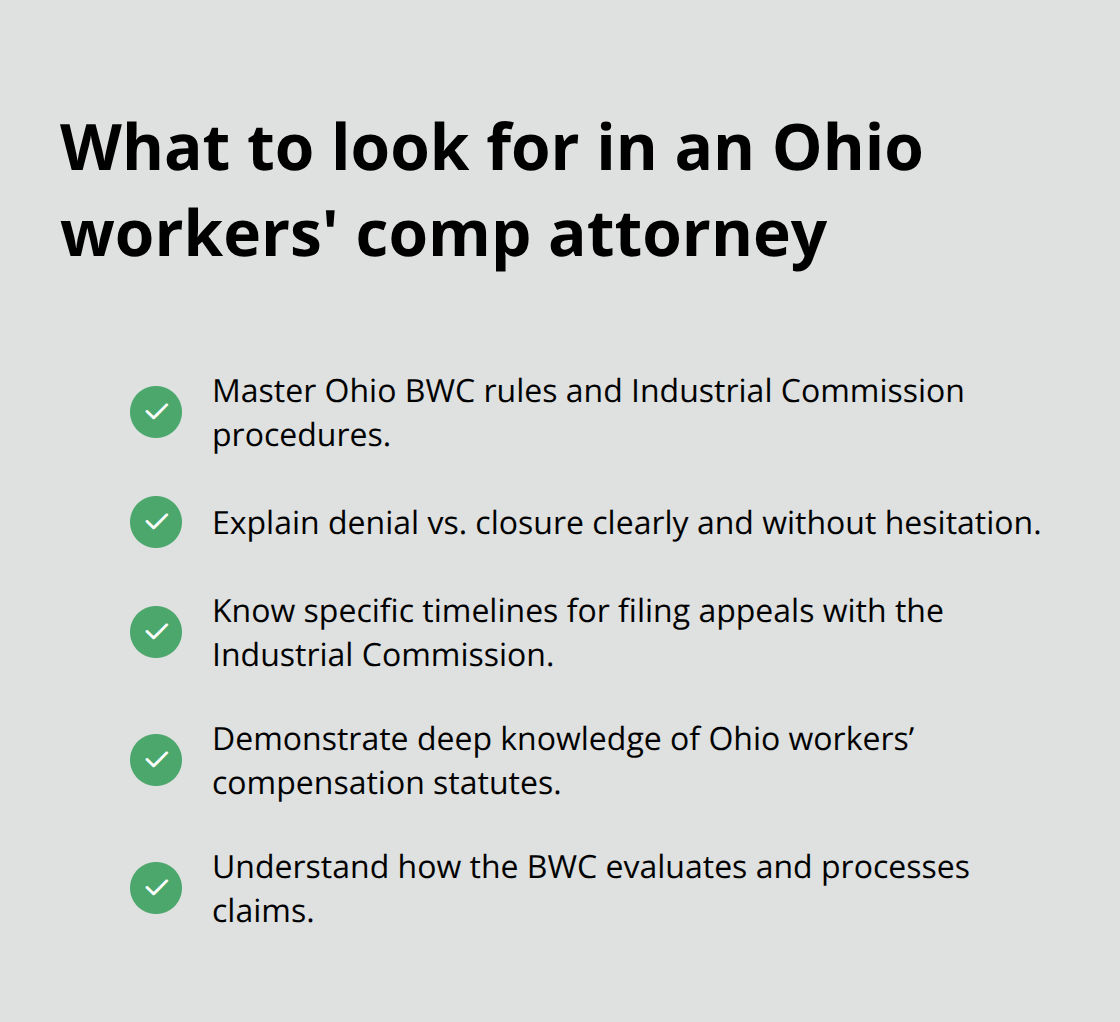
Experience with Ohio’s Bureau of Workers’ Compensation system separates competent attorneys from those who will struggle with your claim. The BWC operates under specific rules that differ significantly from standard personal injury law, and an attorney unfamiliar with these procedures will cost you time and money. Look for attorneys who demonstrate deep knowledge of Ohio’s workers’ compensation statutes, the Industrial Commission of Ohio’s procedures, and how the BWC evaluates claims. An attorney should explain the difference between a claim denial and a claim closure without hesitation and should know the specific timelines for filing appeals with the Industrial Commission.
Proven Results with Ohio Workers’ Compensation Cases
Track records matter more than promises. When you evaluate an attorney, ask for specific examples of cases they have handled, not vague statements about their success rate. An attorney should tell you about cases where they secured benefits for injured workers, negotiated favorable settlements with employers’ insurers, or successfully appealed wrongful denials at the Industrial Commission. Ohio law allows workers to recover medical expenses, wage loss benefits, and permanent disability compensation, and a strong attorney knows how to maximize each category. Look for attorneys with experience handling both straightforward claims and complex disputes involving catastrophic injuries or occupational diseases.
The Ohio Board of Professional Conduct maintains a public docket where you can verify an attorney’s disciplinary history and current standing. This practical step protects you before you hire anyone to represent your claim. You should search the docket for the attorney’s name to see current status, pending actions, and any past dispositions.
Local Knowledge of Industrial Commission Procedures
The Industrial Commission of Ohio operates differently than county courts, and an attorney who regularly appears before the Commission understands the judges, the local practices, and the procedural requirements that matter. Northeast Ohio has specific hearing locations and administrative judges who handle workers’ compensation appeals, and familiarity with these local procedures influences case strategy and outcomes. An attorney should know whether to pursue a hearing before the Commission, how to present medical evidence effectively, and when settlement negotiations make more sense than litigation.
This local expertise extends to understanding how regional employers and insurers typically respond to claims (which helps your attorney anticipate challenges and build stronger arguments from the start). An attorney with deep roots in Northeast Ohio knows the regional landscape in ways that out-of-state or generalist practitioners simply cannot match. This advantage becomes especially clear when you face disputes with the BWC or need to appeal a denial before the Industrial Commission.
Questions That Reveal an Attorney’s Competence
Ask About Your Specific Injury and Claim Strategy
The questions you ask during your initial consultation separate attorneys who understand your specific situation from those who treat all workers’ compensation claims as routine. Start by asking how the attorney would approach your particular injury and claim type. A competent attorney won’t offer a generic answer about Ohio workers’ compensation law. Instead, they should ask you detailed questions about when and how your injury occurred, what body parts are affected, whether you’ve already filed a claim with the BWC, and what stage your claim is currently in. If an attorney launches into a scripted explanation of Ohio workers’ compensation law without first understanding your circumstances, that’s a warning sign they won’t customize their strategy to your needs.
The Industrial Commission of Ohio handles occupational diseases differently than traumatic injuries, and an attorney should demonstrate this distinction by asking whether your injury falls into either category and adjusting their approach accordingly. These questions reveal whether the attorney thinks about your claim as a unique situation or as just another file to process.
Explore Their Appeal Experience and Track Record
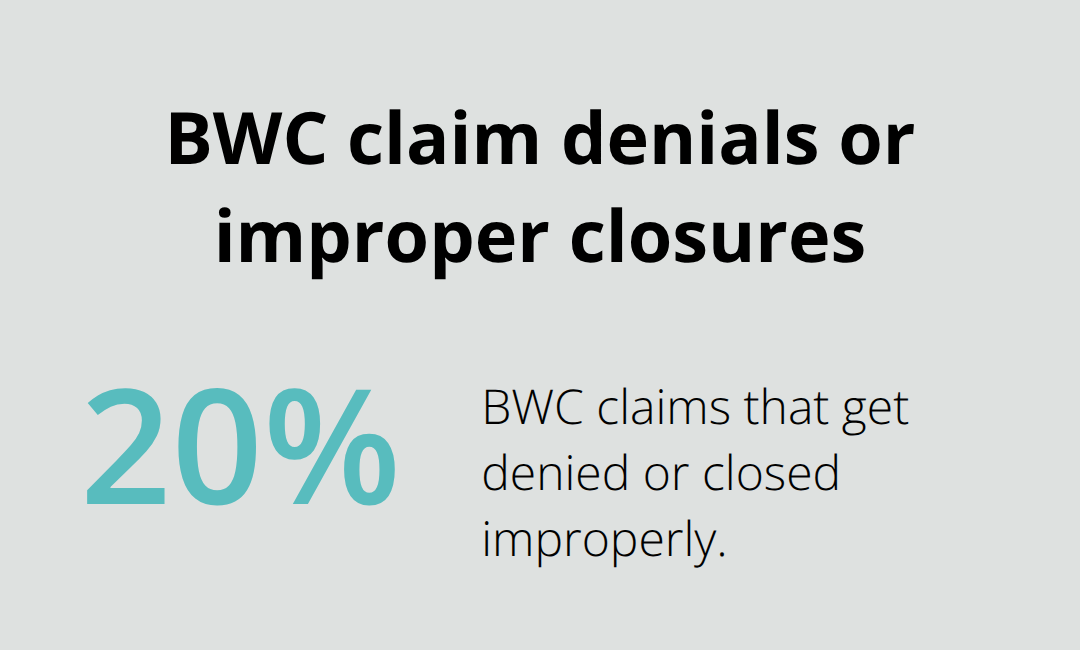
Your second line of questioning should focus on appeals and disputes, since roughly 20 percent of BWC claims get denied or closed improperly according to workers’ compensation advocacy data. Ask the attorney how many Industrial Commission appeals they’ve handled in the past two years and what percentage resulted in benefits being awarded or reinstated. An attorney with real appeal experience will give you specific numbers and explain the difference between a hearing before a single Industrial Commission judge and a full Commission hearing.
They should also explain what happens if you lose at the Commission level and whether an appeal to the Ohio Supreme Court makes sense for your case. An attorney who can articulate these distinctions shows they’ve actually litigated appeals, not just read about them in a manual.
Understand How the Attorney Will Keep You Informed
Finally, ask directly how they’ll keep you informed about your claim’s progress. The attorney should describe a specific communication schedule, whether that’s weekly updates, monthly check-ins, or contact only when significant developments occur. Ask whether they prefer phone calls, email, or in-person meetings and whether they handle client communication personally or delegate it to paralegals. Communication practices reveal how you will actually experience representation and demonstrate professionalism and respect for your need to understand what’s happening with your claim.
These three areas of questioning-your specific injury, their appeal experience, and their communication practices-form the foundation for evaluating whether an attorney will actually serve your needs or simply process your case. The answers you receive will guide you toward the next critical step: identifying the warning signs that should make you walk away.
Red Flags When Choosing a Workers’ Compensation Lawyer
Attorneys Who Guarantee Specific Outcomes
Any attorney who promises a specific outcome in your workers’ compensation claim is either lying or inexperienced enough not to understand Ohio law. The Industrial Commission of Ohio makes determinations based on medical evidence, witness testimony, and the specific facts of your injury, and no competent attorney can guarantee what a judge will decide. When an attorney tells you they will definitely win your case or secure a specific benefit amount, that’s your signal to leave the consultation and call someone else. This guarantee reveals either dishonesty or a fundamental misunderstanding of how Ohio’s workers’ compensation system actually works. Legitimate attorneys explain the strength of your claim, the evidence you’ll need, and the likely range of outcomes, but they never promise results they cannot control. If an attorney makes guarantees, they prioritize the appearance of confidence over honest representation.
Lack of Transparency About Fees and Costs
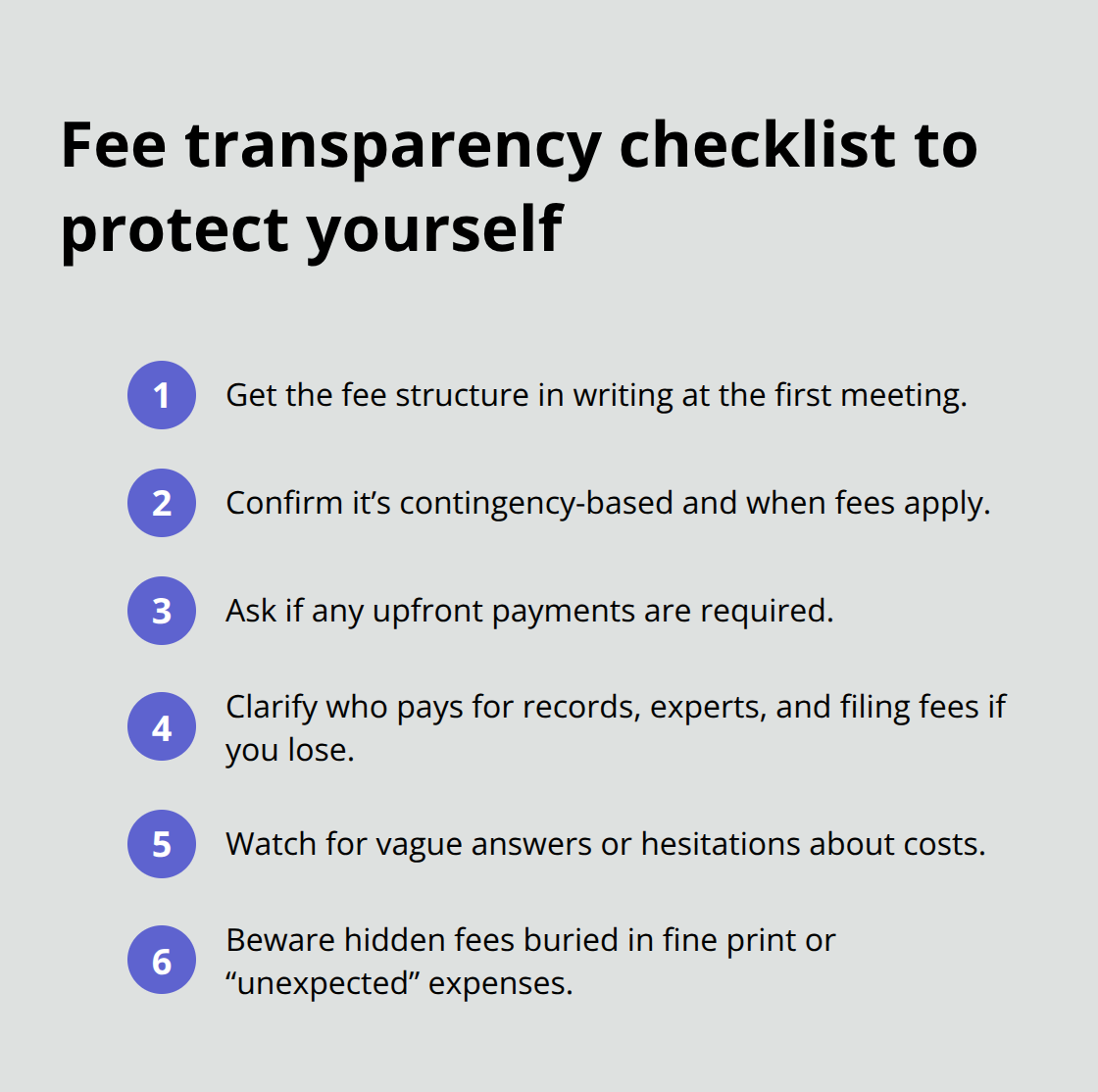
Opacity about fees and costs is equally disqualifying. Reputable Northeast Ohio firms explain the fee structure in writing during your first meeting, typically on a contingency basis where you pay nothing unless the attorney recovers benefits for you. If an attorney hesitates when you ask about their fee arrangement, discusses costs vaguely, or suggests you’ll owe money upfront before any recovery occurs, that’s a major red flag. Some unethical practitioners hide additional costs in fine print or claim unexpected expenses later in the process. Ask the attorney to provide their fee agreement in writing before you sign anything, and specifically ask whether you’ll be responsible for costs like medical records, expert witnesses, or court filing fees if your claim is unsuccessful.
Unwillingness to Explain the Claims Process
An unwillingness to explain the claims process with clarity signals that the attorney either doesn’t understand it themselves or plans to keep you uninformed and dependent. When you ask how the BWC evaluates your specific injury type, what documents they’ll request, or what happens if your initial claim is denied, the attorney should walk you through each step without jargon. If they deflect, minimize your questions, or suggest you don’t need to understand the details, that attorney has no interest in your informed participation. You deserve an attorney who educates you about your claim at every stage (from the initial BWC filing through any appeal to the Industrial Commission), because understanding the process protects you from making uninformed decisions and helps you recognize when your attorney isn’t performing effectively.
Final Thoughts
Selecting the right Northeast Ohio injury attorney comes down to three core factors: demonstrated experience with Ohio’s workers’ compensation system, a willingness to communicate clearly about your specific claim, and a track record of actual results with injured workers. An attorney who understands the Industrial Commission of Ohio’s procedures, asks detailed questions about your injury before offering advice, and explains their fee structure upfront has already shown you more respect than those who treat all claims as routine. The warning signs matter equally-any attorney who guarantees outcomes, hides costs, or refuses to educate you about the claims process should be eliminated from consideration immediately.
Local representation in Northeast Ohio carries real advantages that extend beyond convenience. A Northeast Ohio injury attorney familiar with regional employers, insurers, and the specific judges who hear Industrial Commission cases brings strategic insight that out-of-state practitioners cannot match. This local knowledge influences how your attorney anticipates challenges, structures evidence, and decides whether to pursue settlement or litigation.
Schedule consultations with at least two or three qualified attorneys in your area and ask the questions outlined in this guide. Trust your instinct about whether the attorney listens to your situation or rushes through a generic explanation. Contact Robin J Peterson Company, LLC to discuss your claim and take the first step toward effective representation.