
Workplace injuries in Ohio can leave you confused about your rights and next steps. The workers’ compensation system has specific rules, and navigating them alone often leads to denied or delayed claims.
At Robin J Peterson Company, LLC, we’ve seen how the right workplace injury lawyer in Ohio makes the difference between struggling through the process and getting the benefits you deserve. This guide walks you through what to look for in legal representation and how to protect your interests.
Understanding Workplace Injury Claims in Ohio
How Ohio’s Workers’ Compensation System Actually Works
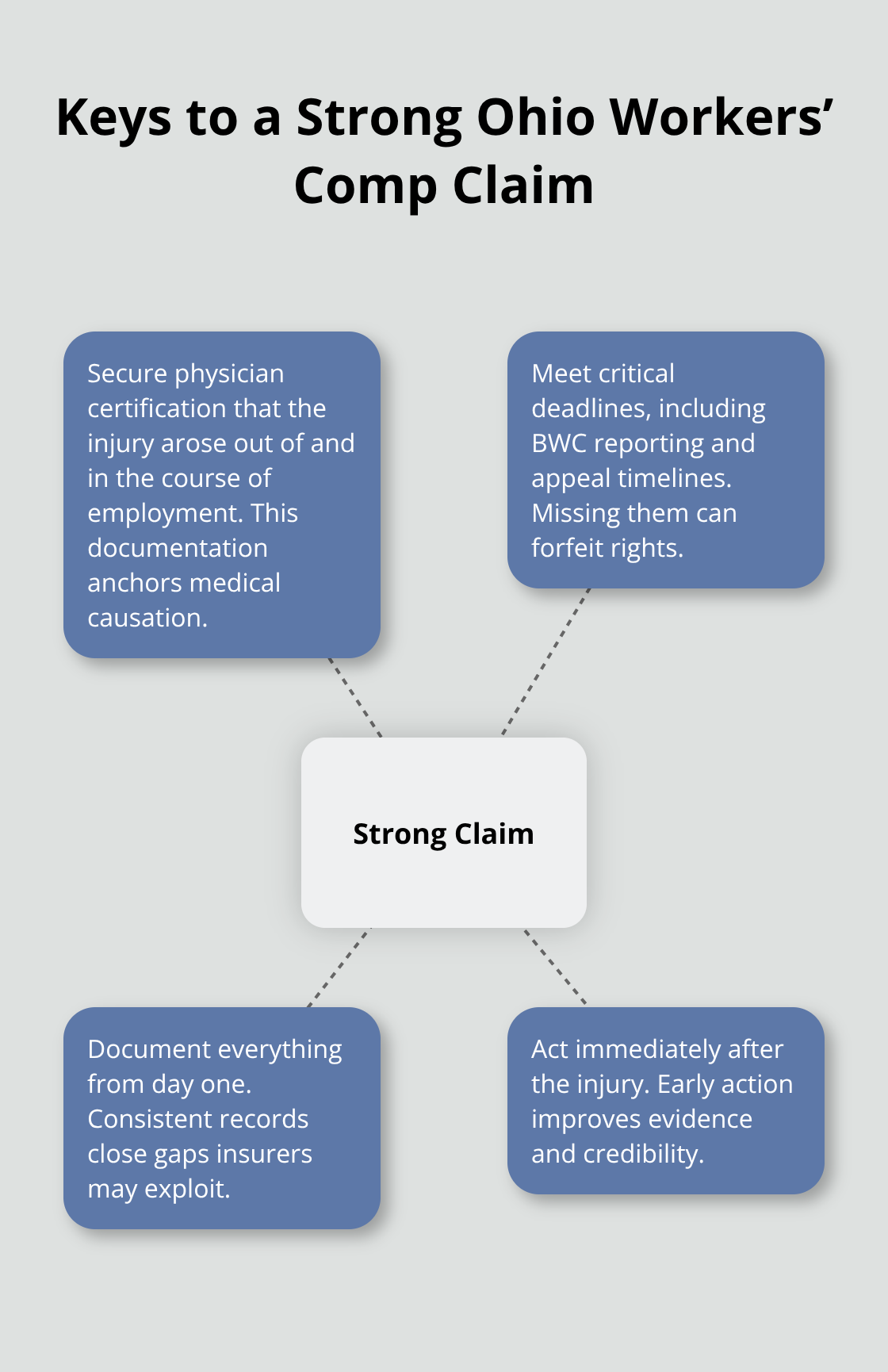
Ohio processes over 200,000 workers’ compensation claims annually through the Ohio Bureau of Workers’ Compensation, a no-fault system that pays benefits regardless of who caused the injury. The system sounds straightforward until you file a claim and discover that roughly 10–12% of initial claims face denial. The most common culprits are injuries deemed outside the scope of work, missed reporting deadlines, or insufficient medical documentation linking your condition to the job. What matters most is that your treating physician certifies the injury arose out of and in the course of employment-this physician’s assessment drives the entire claim. If your employer fails to report the injury to the BWC within 14 days or you miss the one-year deadline to request a hearing if denied, you forfeit your right to appeal. This is why immediate action after an injury matters more than most injured workers realize.
What Injuries Actually Qualify
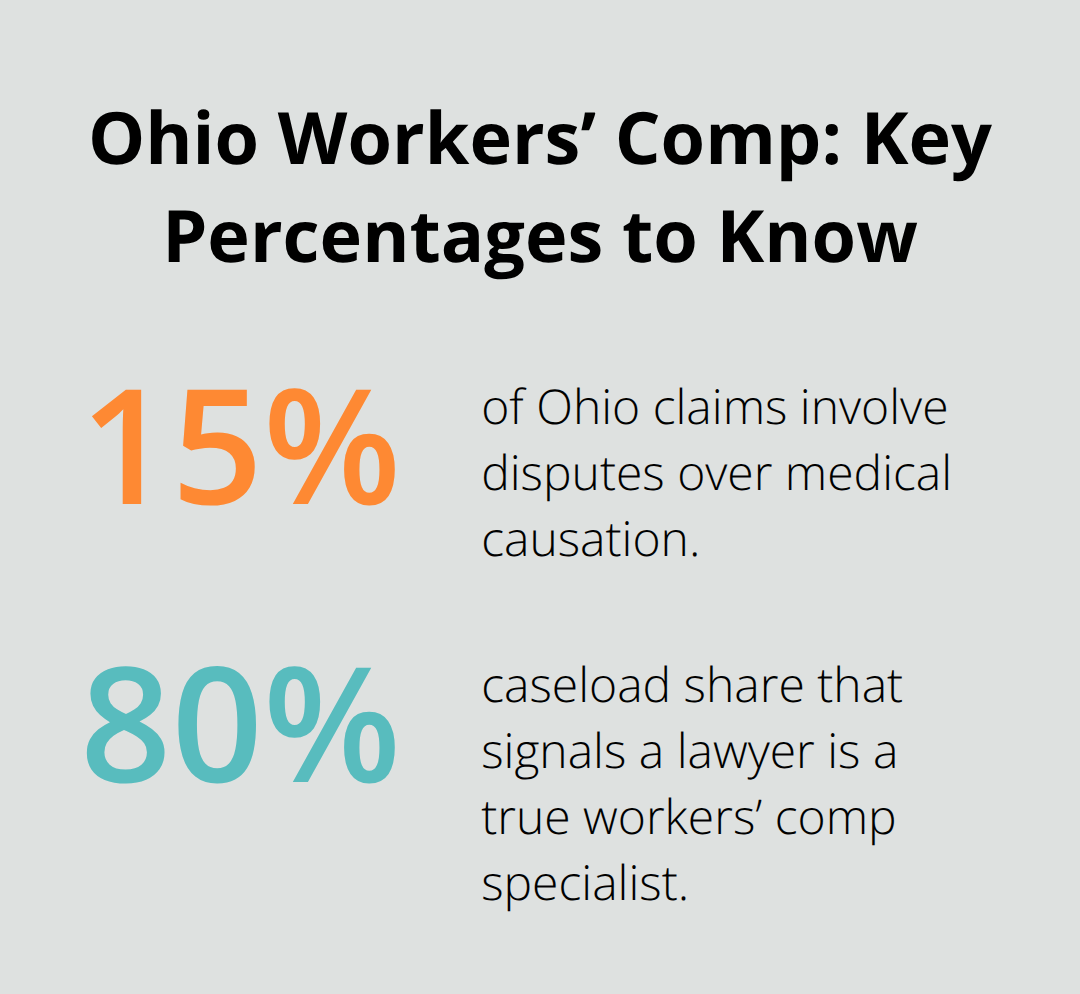
Ohio’s workers’ compensation covers fractures from machinery accidents, traumatic brain injuries, herniated discs, occupational diseases from exposure to asbestos or lead, and other conditions directly tied to job duties. The injury must occur while you perform work tasks, even at remote locations, as long as it falls within your job scope. What doesn’t qualify are pre-existing conditions that your employer tries to blame on the workplace or injuries that happened outside work hours. About 15% of Ohio claims involve disputes over medical causation, meaning the insurer questions whether work actually caused your condition. This is where strong medical documentation from day one separates successful claims from denied ones. Seek immediate medical attention, even for minor injuries, to create the evidence trail you’ll need if the claim faces challenge.
Why Claims Get Denied and What You Can Do
Denial reasons cluster around three areas: incomplete medical records, a physician of record who sides with the employer, or misinterpretation of your job duties. Many injured workers don’t realize that the physician of record influences treatment decisions and claim outcomes significantly. If that physician fails to document the work connection clearly or sides with the insurer, your claim weakens immediately. The Industrial Commission of Ohio handles appeals, and most claims settle rather than proceed to formal hearings, but settlement authority depends on how thoroughly you prepare your case early on. Preparing as if your case will go to hearing tends to produce stronger settlements because insurers respect trial readiness. Document every medical visit, employer communication, and witness statement immediately after the injury. Delayed documentation or gaps in your record give the insurer ammunition to deny or minimize benefits.
The Physician of Record: Your Most Important Decision
Your choice of physician of record shapes everything that follows in your claim. This physician controls medical decisions, treatment recommendations, and the critical documentation that proves work caused your injury. A physician who specializes exclusively in workers’ compensation understands BWC processes and Industrial Commission procedures far better than a general practitioner who handles these cases part-time. The wrong physician of record-one who doesn’t document the work connection or who sides with the employer-can tank an otherwise valid claim before you even realize what happened. Select your physician carefully and ensure they understand the importance of clear, detailed documentation linking your injury to your job duties.
Moving Forward With Your Claim
The first critical decision you face is whether to accept the claims administrator’s initial determination or pursue an appeal with the Industrial Commission of Ohio. This choice determines your next steps and shapes your entire legal strategy. Understanding what happens next requires knowing how local procedures work and what evidence strengthens your position in appeals.
Choosing a Lawyer Who Actually Understands Ohio Workers’ Compensation
Specialization Matters More Than You Think
Hiring a workplace injury lawyer in Ohio isn’t about finding any attorney with a law license-it’s about finding someone whose practice centers entirely on workers’ compensation law in this state. When you ask a potential lawyer what percentage of their caseload involves Ohio workers’ compensation, listen carefully to the answer. If they say 80% or more, you’re talking to a specialist. If they hedge or mention that workers’ comp is just one area among many, move on. A lawyer who handles workers’ compensation full-time knows the Ohio Bureau of Workers’ Compensation’s policy updates, understands how regional hearing officers in Cleveland, Akron, and Canton approach cases differently, and recognizes which local administrators have settlement authority. General practitioners who handle workers’ comp part-time miss these nuances constantly, and that gap costs you.
Evaluating Track Record and Client Results
When you evaluate a firm, ask for specific examples of cases similar to yours and the benefits they obtained. Don’t accept vague promises or general statements about success rates. Request to speak with former clients within confidentiality limits and ask them three concrete questions: how long did the case take to resolve, did the lawyer successfully challenge managed-care denials, and did the attorney coordinate effectively with medical experts?
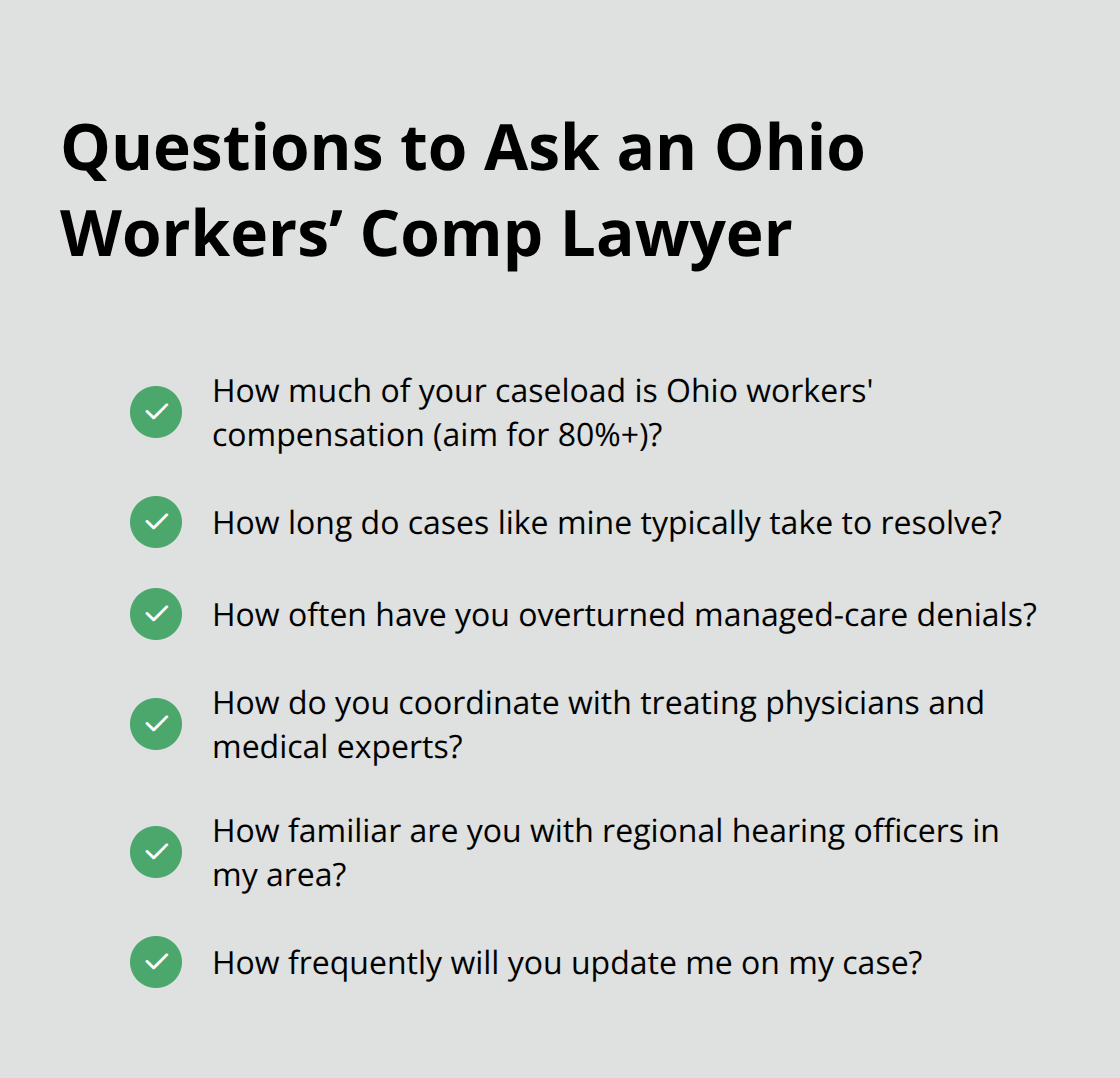
These conversations reveal whether a lawyer delivers results or just talks about them. A proven track record in your specific injury type brings credibility that influences settlement discussions and insurer behavior.
Local Knowledge and Regional Advantage
Your lawyer’s familiarity with local procedures and judges matters far more than most injured workers realize. The Industrial Commission of Ohio operates with regional variations, and a hearing officer in one county may approach documentation or witness testimony differently than one in another. An attorney with deep roots in Northeast Ohio-serving clients across Cleveland, Akron, and Canton-understands these regional preferences and can tailor strategy accordingly. Established relationships with local administrators and hearing officers improve settlement authority and help predict insurer responses. When choosing representation, expect clear explanations of your situation in plain language, regular case updates, and honest assessments of your claim’s strengths and weaknesses.
Communication and Transparency as Deal-Breakers
A lawyer who avoids making promises they can’t keep and who explains the realistic timeline and potential outcomes helps you make informed decisions about settlement versus litigation. Strong communication extends beyond just talking to you-it means responsive interaction with insurance adjusters, opposing counsel, and your medical providers. A firm with established relationships and a track record in your specific injury type brings credibility that influences settlement discussions. Many insurers reduce settlement offers when they sense weak representation; they increase offers when they know they’re facing an attorney who prepares cases for trial and won’t accept lowball terms. This preparation and credibility shape what happens next as you move toward either settlement or formal proceedings.
How Your Lawyer Fights for Maximum Benefits
When the Ohio Bureau of Workers’ Compensation denies your claim or an employer challenges your compensability, your lawyer’s role shifts from guidance to aggressive advocacy. Most Ohio workers’ comp cases settle rather than proceed to formal hearings, but settlement authority depends entirely on how thoroughly your attorney prepares early. Preparing your case as if it will go to trial signals to the insurer that you’re serious, and that credibility directly influences their settlement offer.
Building an Ironclad Factual Record
Your lawyer identifies gaps in medical documentation immediately and coordinates with specialists who focus exclusively on workers’ compensation to fill those gaps before the insurer weaponizes them. When the employer or BWC claims your injury falls outside the scope of work, a skilled attorney challenges this misinterpretation by gathering witness statements, job descriptions, and timestamped evidence showing exactly what you were doing when the injury occurred. Collecting every medical record, imaging study, treatment note, and billing document related to your injury matters enormously; your lawyer then organizes this material to tell a compelling narrative about how work caused your condition. Your attorney also obtains employer records showing the hazards you faced, safety violations, or prior similar injuries in your workplace.
Countering Bad Faith and Employer Tactics
Bad faith conduct from employers-such as failing to report the injury, retaliating against you, or pressuring you into unfavorable settlements-requires aggressive representation that calls out these tactics directly. Your lawyer also leverages the Industrial Commission Ombuds Office, a resource many general attorneys don’t know how to use effectively, to resolve disputes and challenge improper denials. If your current physician of record sides with the employer, a competent attorney arranges an independent medical evaluation to counter that bias and create competing medical evidence that strengthens your position.
Managing Your Physician of Record
The physician of record remains your most critical asset, and your lawyer ensures this physician documents the work connection clearly and resists pressure from the insurer to change their medical opinion. In catastrophic cases involving spinal cord injuries or traumatic brain injuries, specialized representation handles complex medical records, expert testimony on vocational rehabilitation, and long-term benefit calculations that general practitioners typically mishandle. Your attorney tracks policy updates that the Ohio Bureau of Workers’ Compensation publishes regularly to avoid the disadvantages that plague workers represented by lawyers who don’t stay current.
Leveraging Local Knowledge and Procedures
Regional variations in how Industrial Commission hearing officers operate-differences between Cleveland, Columbus, and Cincinnati procedures-demand local familiarity that only attorneys with deep roots in specific areas possess. A lawyer with established relationships in Northeast Ohio understands these regional preferences and can tailor strategy accordingly. This preparation transforms your claim from a routine denial into a case the insurer must take seriously, shifting the balance of power in your favor.
Final Thoughts
The right workplace injury lawyer in Ohio transforms your claim from a confusing struggle into a strategic process where your interests come first. Specialization matters, local knowledge shapes outcomes, and aggressive preparation influences settlement authority before your case ever reaches a hearing. An attorney who understands Ohio’s no-fault system, tracks BWC policy updates, and maintains relationships with regional hearing officers brings credibility that insurers respect.
Finding this advocate starts with asking direct questions about caseload percentages, specific case results, and communication practices. Request conversations with former clients and listen for concrete answers about timelines, managed-care denials, and medical coordination. A workplace injury lawyer Ohio who explains your situation in plain language, provides regular updates, and gives honest assessments of your claim’s strengths helps you make informed decisions about settlement versus litigation.
Schedule a free consultation with Robin J Peterson Company, LLC to discuss your case with attorneys who focus entirely on workers’ compensation law in Ohio. Document everything immediately after your injury, gather witness statements, and contact legal representation without delay-the one-year deadline to request a hearing arrives faster than most injured workers expect, and early preparation determines whether you settle favorably or proceed to formal proceedings.