
Workplace injuries in Ohio can leave you facing medical bills, lost wages, and uncertainty about your rights. At Robin J Peterson Company, LLC, we help injured workers understand their legal options and navigate the claims process.
Ohio workplace injury lawsuits involve specific rules, deadlines, and protections you need to know. This guide walks you through the workers’ compensation system, your rights as an injured employee, and when you may qualify for additional legal action.
Types of Workplace Injuries Leading to Lawsuits
Traumatic Injuries from Accidents
Workplace injuries that lead to lawsuits in Ohio fall into three distinct categories, each with different legal pathways. Traumatic injuries from accidents-such as falls, machinery malfunctions, chemical exposures, or vehicle collisions-represent the most straightforward cases. These incidents happen suddenly and leave clear evidence of what occurred.
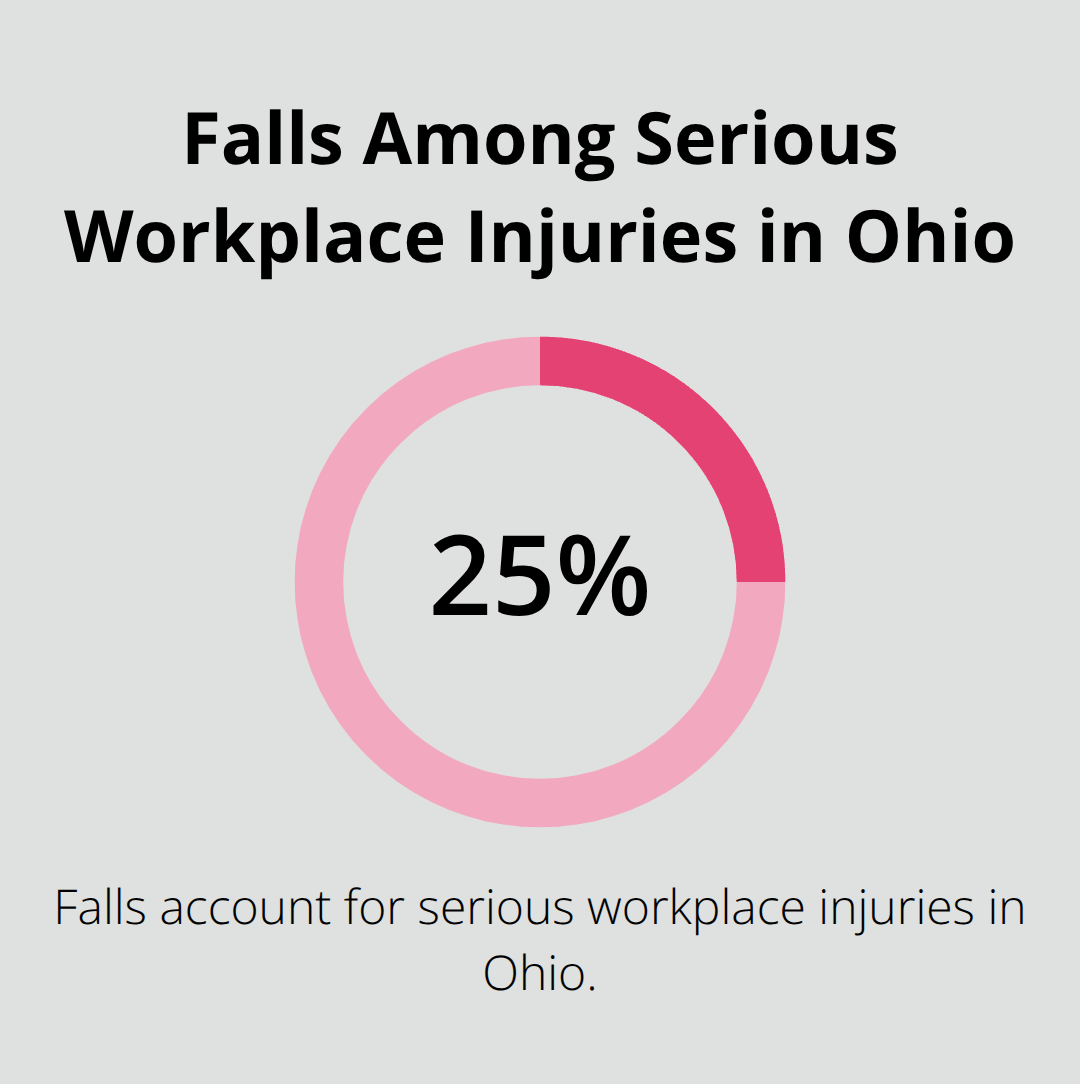
The Bureau of Workers’ Compensation receives approximately 250,000 claims annually in Ohio, with a significant portion stemming from acute accidents rather than gradual conditions. Falls account for roughly 25% of all serious workplace injuries in the state, making them among the most common triggers for legal claims. Burns, crush injuries, and lacerations from equipment failures also frequently lead to lawsuits when employers failed to maintain safe equipment or provide proper safety protocols.
Occupational Illnesses and Diseases
Occupational illnesses develop over time through workplace exposure and present a more complex legal challenge. Conditions like mesothelioma from asbestos exposure, silicosis from dust inhalation, or various cancers linked to hazardous substances require proof that the workplace caused the illness-a task that demands medical documentation and expert testimony. These cases often involve multiple employers across decades, complicating liability questions significantly.
Injuries from Unsafe Working Conditions
Unsafe working conditions that cause injuries represent a third category where employers knowingly or negligently allowed hazardous situations to persist. Missing guardrails, inadequate ventilation, faulty electrical systems, or lack of personal protective equipment fall into this territory. When an employer receives safety violations or citations from OSHA yet fails to correct them, injured workers have stronger grounds for additional legal action beyond standard workers’ compensation claims.
The key distinction lies in intent: if evidence shows an employer deliberately disregarded safety regulations or ignored repeated warnings about dangers, workers may pursue claims that exceed standard compensation limits. Understanding which category your injury falls into matters significantly when you consider your next steps in the claims process.
The Ohio Workers’ Compensation System and Legal Process
How the BWC and Industrial Commission Handle Claims
Ohio’s workers’ compensation system operates through the Bureau of Workers’ Compensation and the Industrial Commission of Ohio, two entities with distinct but interconnected roles. The BWC manages the state insurance fund and processes initial claims, while the Industrial Commission serves as the appellate body when disputes arise. Understanding this structure matters because your claim’s path depends heavily on which entity handles your case at each stage.
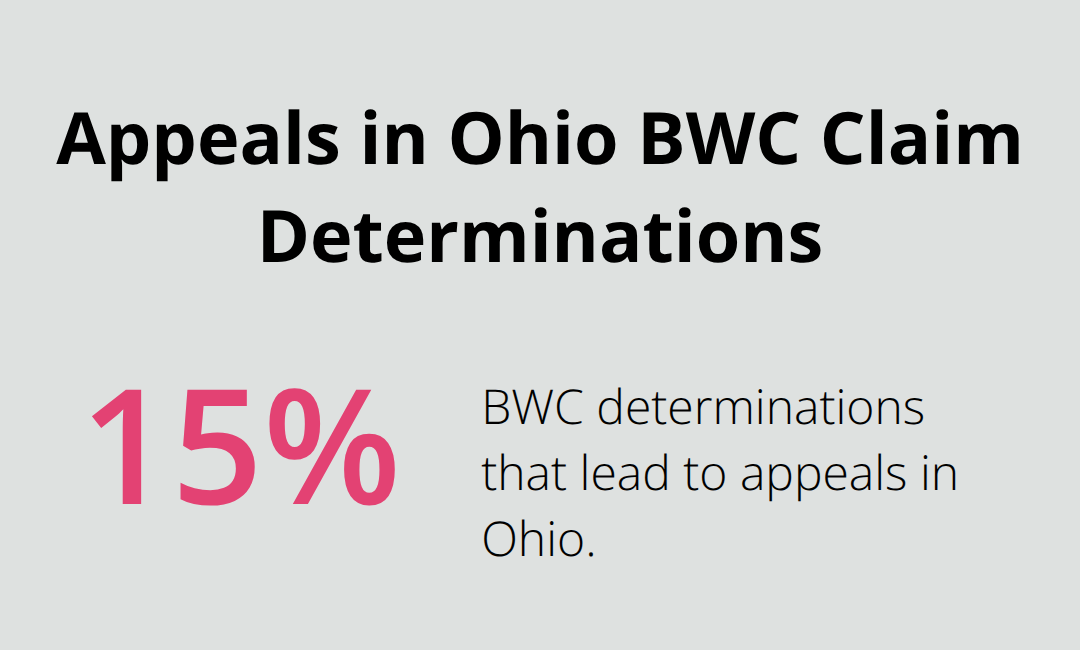
Most injured workers file directly with the BWC, which has 30 days to accept or reject a claim. If the BWC denies your claim or you disagree with their decision, the case moves to the Industrial Commission for review. This two-tier system exists specifically because initial decisions face frequent challenges-approximately 15% of BWC determinations result in appeals, according to Ohio’s workers’ compensation data. The timeline between filing and resolution typically spans 60 to 120 days for straightforward cases, though disputed claims extend significantly longer.
Filing Requirements and Deadlines
Filing deadlines in Ohio are non-negotiable and work against injured workers who delay. You must report your injury to your employer immediately, though Ohio law allows up to one year from the date of injury to file a workers’ compensation claim with the BWC. However, waiting months or a year severely weakens your case because memory fades, witnesses become unavailable, and medical evidence becomes harder to connect directly to the workplace incident. We recommend filing within two weeks of your injury whenever possible.
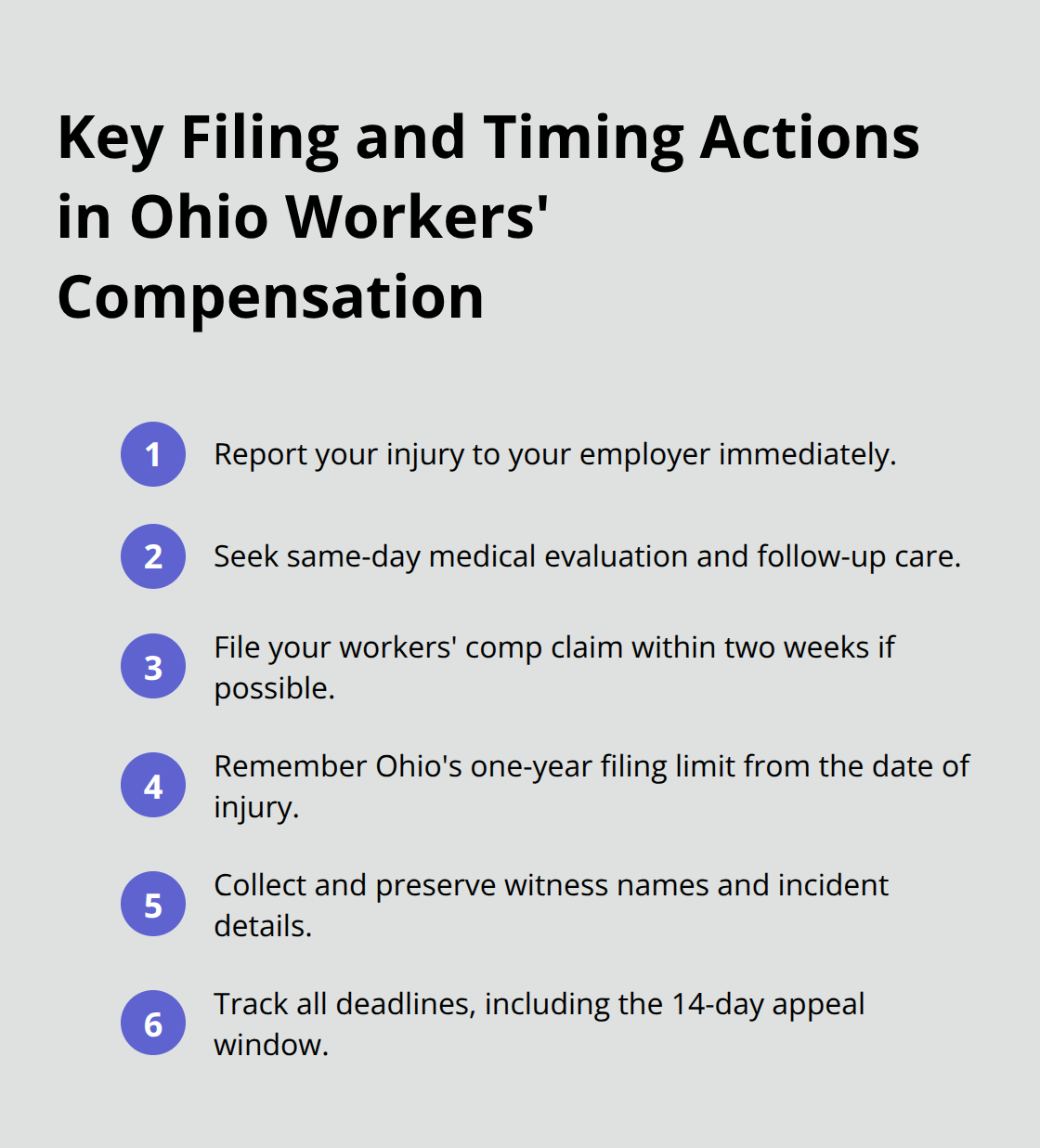
The BWC will request medical documentation, witness statements, and incident details during their investigation. If the BWC denies your claim, you have 14 days to request a hearing before the Industrial Commission. Missing this deadline eliminates your right to appeal, making it critical to mark calendars and track documentation carefully.
What Happens During a Hearing or Appeal
During a hearing before an Industrial Commission judge, you present evidence about how the injury occurred, medical proof of the condition, and testimony establishing the workplace connection. The judge then issues an order, which either party can appeal to the full Industrial Commission within 14 days (another procedural window that demands immediate attention). Understanding these specific deadlines prevents you from losing rights through procedural mistakes rather than case merit.
The evidence you gather and present at this stage determines whether you receive compensation or face denial. Medical records, witness testimony, and documentation of your injury’s impact on your ability to work all carry significant weight in the judge’s decision.
Your Rights as an Injured Worker in Ohio
Protection Against Employer Retaliation
Ohio law prohibits employers from retaliating against workers who file compensation claims, but this protection exists primarily on paper. The Industrial Commission of Ohio recognizes retaliation claims, yet proving an employer acted in direct response to your claim requires documented evidence showing the timing and circumstances of adverse employment actions. If you were fired, demoted, or had hours cut shortly after filing a claim, document everything immediately, including email communications, witness accounts, and records showing your work performance before the claim.
The reality is that employers rarely state retaliation outright, making it essential to preserve evidence of any negative employment changes within 30 days of your claim filing. Ohio Revised Code Section 4123.90 specifically prohibits discharge or discipline based on workers’ compensation claims, but enforcement depends on your ability to demonstrate the causal connection. Take detailed notes of conversations with supervisors, save all written communications, and photograph any documentation that establishes your employment status before and after filing.
If retaliation occurs, you can file a separate complaint with the Ohio Attorney General or pursue a civil action, though these paths require strong evidence and immediate action.
Compensation Available Through Workers’ Compensation
Workers’ compensation in Ohio covers medical treatment, rehabilitation services, and wage replacement when injury prevents you from working. The BWC calculates wage replacement at two-thirds of your average weekly wage, with maximum and minimum limits adjusted annually by the state. For 2026, the maximum weekly benefit sits at approximately $1,134 for temporary total disability, though this figure changes yearly based on state wage averages.
Permanent partial disability awards depend on the specific body part injured and the percentage of impairment assigned by medical evaluation, with schedules established in Ohio Revised Code Chapter 4123. If your injury prevents you from returning to your previous job, vocational rehabilitation services help you retrain for different work, paid through the workers’ compensation system.
When Additional Legal Options Exist
Beyond standard compensation, you may pursue additional legal action if your employer’s conduct rose above simple negligence, such as deliberate safety violations documented by OSHA citations or evidence of intentional misconduct. Third-party liability claims also exist when someone other than your employer caused the injury, allowing you to recover additional damages through a civil lawsuit while still receiving workers’ compensation benefits.
The key distinction matters enormously: workers’ compensation provides automatic benefits without proving fault, but additional claims require proving the employer or third party acted wrongfully (a significantly higher legal standard that demands experienced representation to navigate successfully). Understanding which legal pathway applies to your situation determines whether you receive full compensation for your losses.
Final Thoughts
Ohio workplace injury lawsuits operate under strict rules that either protect your rights or limit your recovery depending on your situation. The workers’ compensation system provides automatic benefits without requiring you to prove fault, but this trade-off means you typically cannot sue your employer for negligence. Report your injury immediately and file your claim within two weeks rather than waiting until the one-year deadline passes, since delays weaken your case significantly by allowing evidence to disappear and witnesses to become unavailable.
Document everything from the moment of injury, including photographs, witness names, medical records, and any communications with your employer about safety conditions or your claim. If your employer retaliates after you file, if OSHA citations show deliberate safety violations, or if a third party caused your injury, you may have legal options beyond standard workers’ compensation. These situations require experienced guidance because the legal standards are higher and the procedural requirements are strict.
We at Robin J Peterson Company, LLC represent injured workers throughout Ohio’s Cleveland, Akron, and Canton areas, helping them navigate the BWC and Industrial Commission while fighting for the compensation they deserve. Our team understands how employers and the system operate, and we know which cases qualify for additional claims that maximize your recovery. Contact us to discuss your specific situation and learn whether your injury qualifies for more than standard benefits.