
An elbow injury at work can derail your career and quality of life. Understanding your elbow injury Ohio rights under workers’ compensation law is the first step toward protecting your recovery and securing the benefits you deserve.
At Robin J Peterson Company, LLC, we help injured workers navigate the claims process and fight for fair compensation. This guide walks you through your options, from filing your initial claim to appealing denials and maximizing your benefits.
How Elbow Injuries Happen at Work
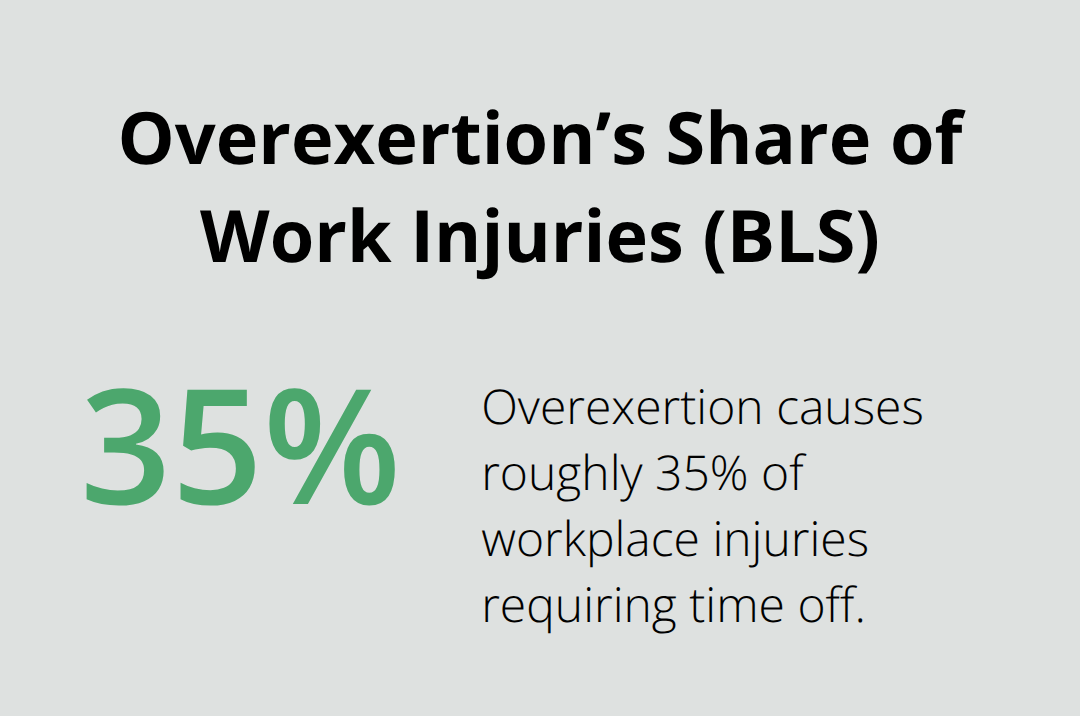
Elbow injuries in Ohio workplaces stem from specific, preventable situations. Construction workers experience elbow trauma from falls, repetitive gripping, and impact with machinery. Manufacturing employees face elbow damage when operating presses, assembly lines, or material handling equipment. Healthcare workers develop elbow problems from patient lifting and transfer activities. Warehouse staff injure elbows while stacking, sorting, and moving heavy loads. The Bureau of Labor Statistics reports that overexertion accounts for roughly 35% of workplace injuries requiring time off work, with upper extremity injuries representing a significant portion of these cases. These injuries don’t happen randomly-they occur in predictable work environments where proper safety protocols and equipment matter greatly.
The Specific Injuries Workers Face
Elbow injuries take distinct forms depending on how the injury occurred. Falls or direct impact create fractures and dislocations that cause immediate, severe pain and visible swelling. Lateral epicondylitis develops from repetitive gripping, twisting, and forearm rotation-common in assembly work, landscaping, and food processing. Medial epicondylitis stems from throwing motions and forceful gripping in overhead work. Olecranon bursitis appears after direct pressure to the back of the elbow or repeated friction against hard surfaces. Nerve compression injuries emerge from sustained pressure on the ulnar nerve, affecting hand function and causing tingling in the fingers. Each injury type demands different medical treatment and affects work capacity in distinct ways. A fracture might prevent any work for weeks, while nerve compression can make fine motor tasks impossible even during light-duty assignments.
Impact on Your Work Life
An elbow injury stops you from performing your regular job immediately. Construction workers cannot climb, lift, or operate equipment. Mechanics lose the ability to turn wrenches and use hand tools. Administrative workers struggle with typing and computer work when elbow pain flares. The Ohio Bureau of Workers’ Compensation recognizes that elbow injuries frequently prevent workers from returning to their original positions. Some workers adapt to modified duties temporarily, but many face extended time away from work entirely. Lost wages compound the physical struggle-workers without income protection face financial stress while healing. Return-to-work timelines vary dramatically (a simple strain might resolve in weeks, while fractures or nerve damage can sideline workers for months). During this period, understanding your rights under Ohio law becomes essential for protecting your recovery without financial devastation. Your next step involves learning what the Ohio Bureau of Workers’ Compensation actually covers and how to file a claim that protects your interests.
Your Rights Under Ohio Workers’ Compensation Law
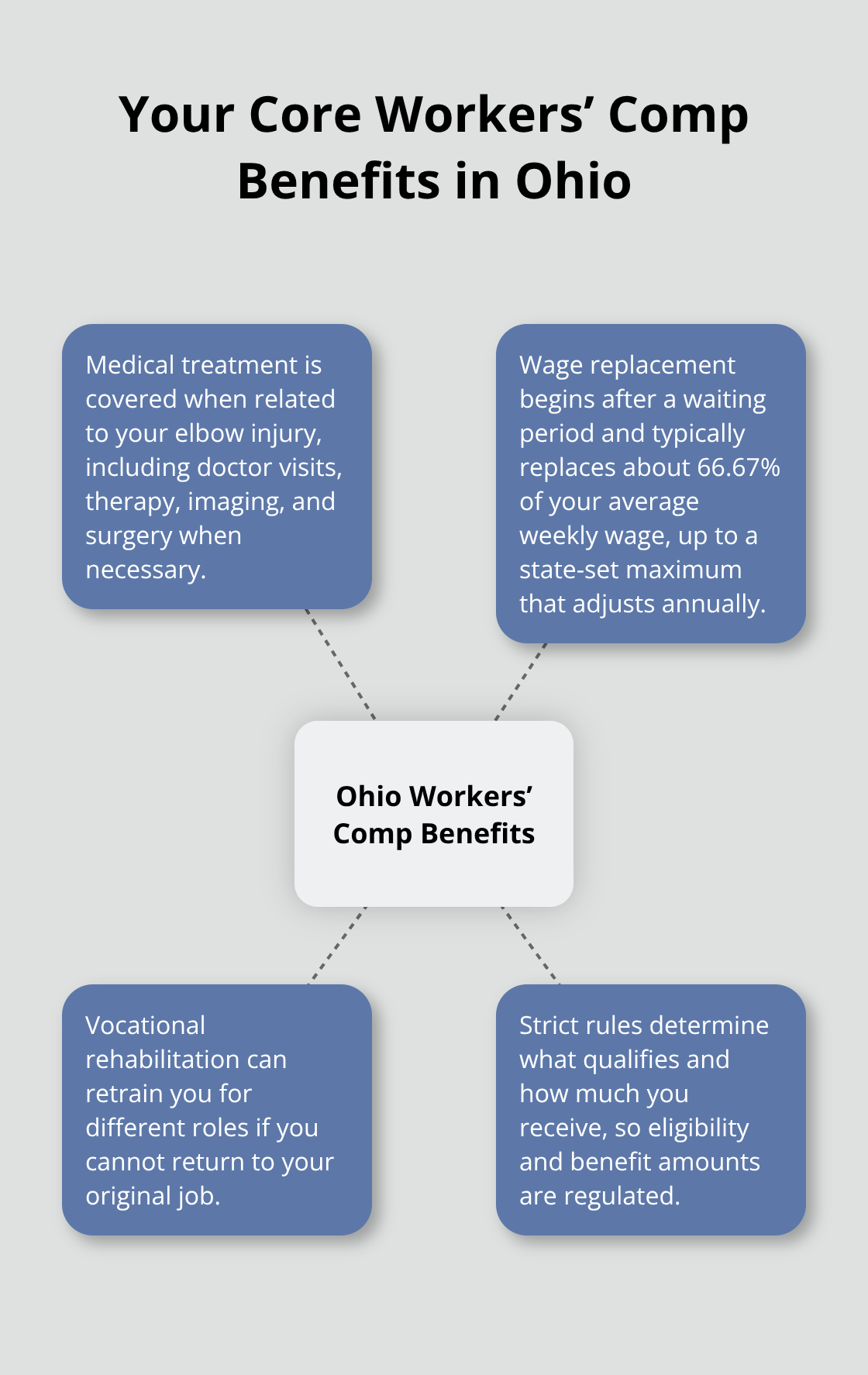
Ohio’s workers’ compensation system covers medical treatment, wage replacement, and vocational rehabilitation for workplace injuries-but the system has strict rules about what qualifies and how much you receive. The Ohio Bureau of Workers’ Compensation provides medical benefits for any treatment related to your elbow injury, including doctor visits, physical therapy, imaging studies, and surgery when medically necessary. Wage replacement begins after a waiting period and compensates you for lost income while you cannot work. According to the Ohio Bureau of Workers’ Compensation, temporary total disability payments replace approximately 66.67% of your average weekly wage, up to a maximum set by state law that adjusts annually. Vocational rehabilitation services help workers retrain for different positions if they cannot return to their original job.
Report Your Injury Immediately
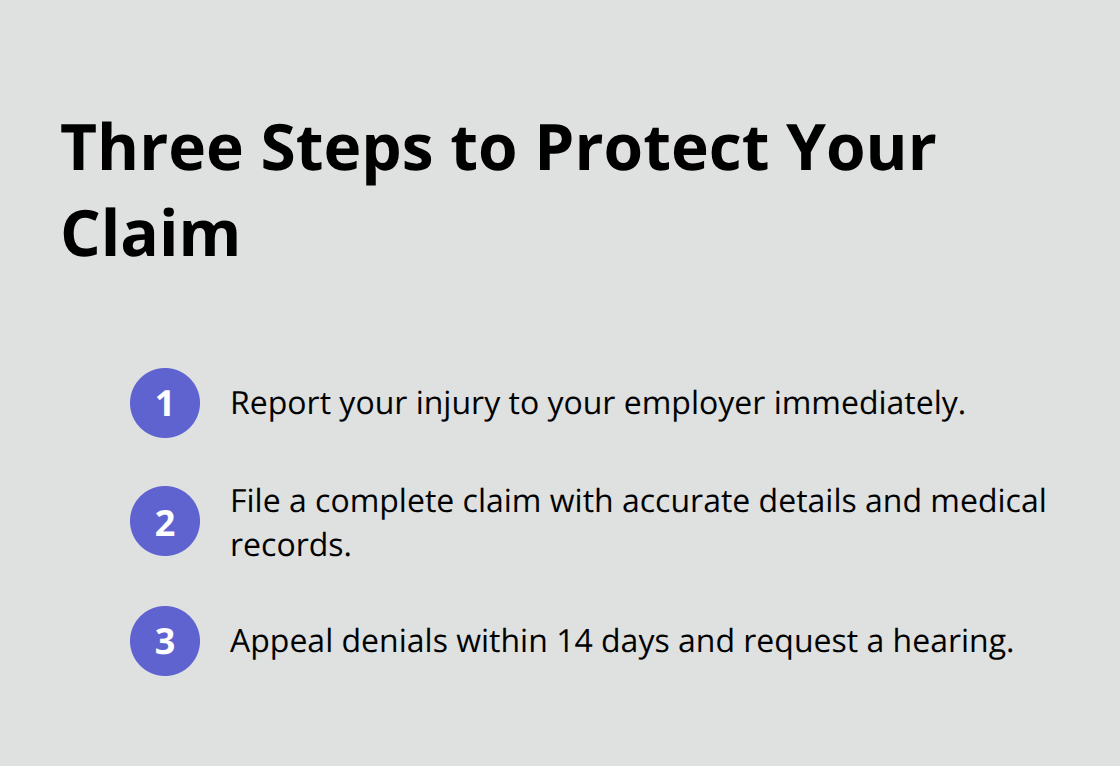
You must report your injury to your employer within a specific timeframe, as your employer has obligations to file the claim with the Bureau of Workers’ Compensation. Failure to report promptly or missing deadlines can jeopardize your entire claim. Report your injury to your employer as soon as it happens-do not wait for pain to worsen or for symptoms to develop further. Your employer must then file the claim with the Ohio Bureau of Workers’ Compensation within 10 days of learning about the injury. Filing immediately after your injury occurs protects your rights and starts the clock on all applicable benefits and time limits.
File Your Claim With Complete Documentation
Filing a workers’ compensation claim in Ohio requires specific steps and documentation that directly impact whether you receive benefits. Request a copy of the claim form from your employer and verify that all details about how the injury occurred are accurate. Inaccurate descriptions of the injury mechanism can lead to claim denials later. Obtain medical documentation immediately by seeing a doctor, preferably one familiar with workers’ compensation cases. Your medical records become the foundation of your claim, so detailed notes about pain levels, functional limitations, and how the injury affects your work capacity matter tremendously. Keep copies of all medical records, test results, and treatment notes in an organized file. Document your lost wages by collecting pay stubs before and after the injury to establish your average weekly wage calculation. The Bureau of Workers’ Compensation uses this figure to determine your benefit amount, so accuracy here directly affects your compensation.
Appeal Wrongful Denials Aggressively
Denials happen frequently in Ohio workers’ compensation cases, and the system provides specific appeal procedures that actually work if you follow them correctly. The Bureau of Workers’ Compensation may deny your claim if they determine the injury did not arise out of employment, if they question whether the injury occurred at work, or if they believe you failed to report it timely. You have 14 days from the denial notice to file an appeal with the Industrial Commission of Ohio. This deadline is absolute-missing it eliminates your right to appeal. Request a hearing before an administrative law judge who will review your medical evidence and the circumstances of your injury.
Bring medical records showing the injury is genuine and work-related, documentation of when you reported the injury, and any witness statements from coworkers who saw what happened. An attorney experienced in Ohio workers’ compensation law significantly improves your chances at appeal hearings, as they understand how judges evaluate evidence and which medical experts carry weight in these proceedings. Understanding what the system covers and how to navigate claims and appeals positions you to move forward with confidence-but maximizing your benefits requires additional strategic steps beyond the basic filing process.
Maximizing Your Benefits and Recovery
How an Attorney Strengthens Your Claim
An attorney makes the difference between receiving partial benefits and getting everything Ohio law allows. Insurance adjusters handling your claim work for the system, not for you, and they routinely undervalue claims or misinterpret medical evidence to reduce payouts. Workers’ compensation attorneys know which medical experts judges trust, how to present imaging results effectively, and which treatment recommendations carry legal weight. The Industrial Commission of Ohio hears thousands of cases annually, and judges recognize patterns in how claims succeed or fail. An experienced workers’ compensation attorney understands these patterns and structures your case accordingly.
Building Strong Medical Documentation
Your medical documentation forms the foundation of everything. Start recording detailed notes immediately after your injury occurs, including the exact time, what you were doing, how the injury happened, and which body parts hurt. Photograph any visible injuries, swelling, or bruising on the day of the incident. After your first medical appointment, request complete copies of all records, including the doctor’s notes about your symptoms, physical examination findings, and functional limitations.
Many workers make the mistake of downplaying their pain during medical visits to appear tough, then later struggle to prove their injury is serious enough to justify benefits. Be honest with your healthcare provider about pain levels and how the injury affects your daily activities and work capacity. Medical records showing consistent pain complaints and progressive treatment needs strengthen your claim substantially.
Securing Necessary Medical Treatment
Medical benefits under Ohio law cover all treatment reasonably necessary for your work injury, but the Bureau of Workers’ Compensation sometimes denies requests for specialists, advanced imaging, or surgical interventions. If your doctor recommends an MRI, specialist consultation, or physical therapy, ensure this recommendation appears in writing in your medical records. The Industrial Commission of Ohio recognizes that delayed treatment worsens outcomes and increases long-term disability, so documented medical necessity supports approval for contested treatments.
Evaluating Vocational Rehabilitation Options
Vocational rehabilitation services become critical when your elbow injury prevents return to your original position. Ohio provides retraining, job coaching, and education assistance to help workers transition to different employment. However, vocational rehabilitation counselors sometimes recommend positions that pay substantially less than your previous work. Request detailed documentation about why specific positions were recommended and what wage data supports their conclusions.
If you disagree with vocational rehabilitation recommendations, you have the right to challenge them at an Industrial Commission hearing. Workers who accept inadequate vocational plans often end up permanently underemployed with reduced earning capacity for the remainder of their careers. An attorney can evaluate whether proposed positions represent genuine alternatives or whether continued treatment and rehabilitation would restore your ability to perform your original job.
Final Thoughts
Elbow injuries create long-term consequences that extend far beyond the initial healing period. Scar tissue limits your range of motion permanently, and nerve damage may cause chronic pain or tingling that persists for years. Some workers experience arthritis developing in the injured elbow years after the initial injury, reducing function and causing ongoing discomfort.
Returning to work requires careful planning to avoid re-injury. Your employer may offer modified duties initially, but these temporary assignments often don’t match your original job responsibilities or pay. Start with light activities and gradually increase your workload only as your doctor approves, since pushing too hard too fast causes re-injury and resets your recovery timeline.
Your elbow injury Ohio rights don’t end when you return to work. If symptoms worsen or new problems develop, you can request additional medical treatment under your original claim, and permanent partial disability benefits may apply if your elbow injury causes lasting functional loss. Contact an experienced workers’ compensation attorney to discuss your situation and learn how to protect your recovery and your future.