
Workplace injuries in Ohio can derail your life, but navigating the workers’ compensation system doesn’t have to be overwhelming. A Cleveland area injury attorney who understands Ohio’s specific requirements can make the difference between a denied claim and the support you need.
At Robin J Peterson Company, LLC, we’ve helped injured workers across the region understand their rights and fight for fair outcomes. This guide walks you through what to look for in legal representation and how the claims process actually works.
What to Look for in a Workplace Injury Attorney
An attorney who specializes in Ohio workers’ compensation understands the state’s specific rules, procedures, and the Ohio Bureau of Workers’ Compensation system in ways that generalist lawyers simply cannot match. When you suffer an injury at work, the clock starts ticking immediately-you face strict filing deadlines, medical documentation requirements, and procedural steps that differ significantly from personal injury cases. An attorney with genuine Ohio workers’ compensation experience knows that the Industrial Commission of Ohio operates under rules that change regularly and that the BWC’s administrative processes require precision. Robin J Peterson Company, LLC focuses on workers’ compensation law across the Cleveland, Akron, and Canton areas, which means we understand how local claim administrators interpret Ohio’s regulations and which arguments work with the specific judges and hearing officers in your region.
Experience Translates to Results
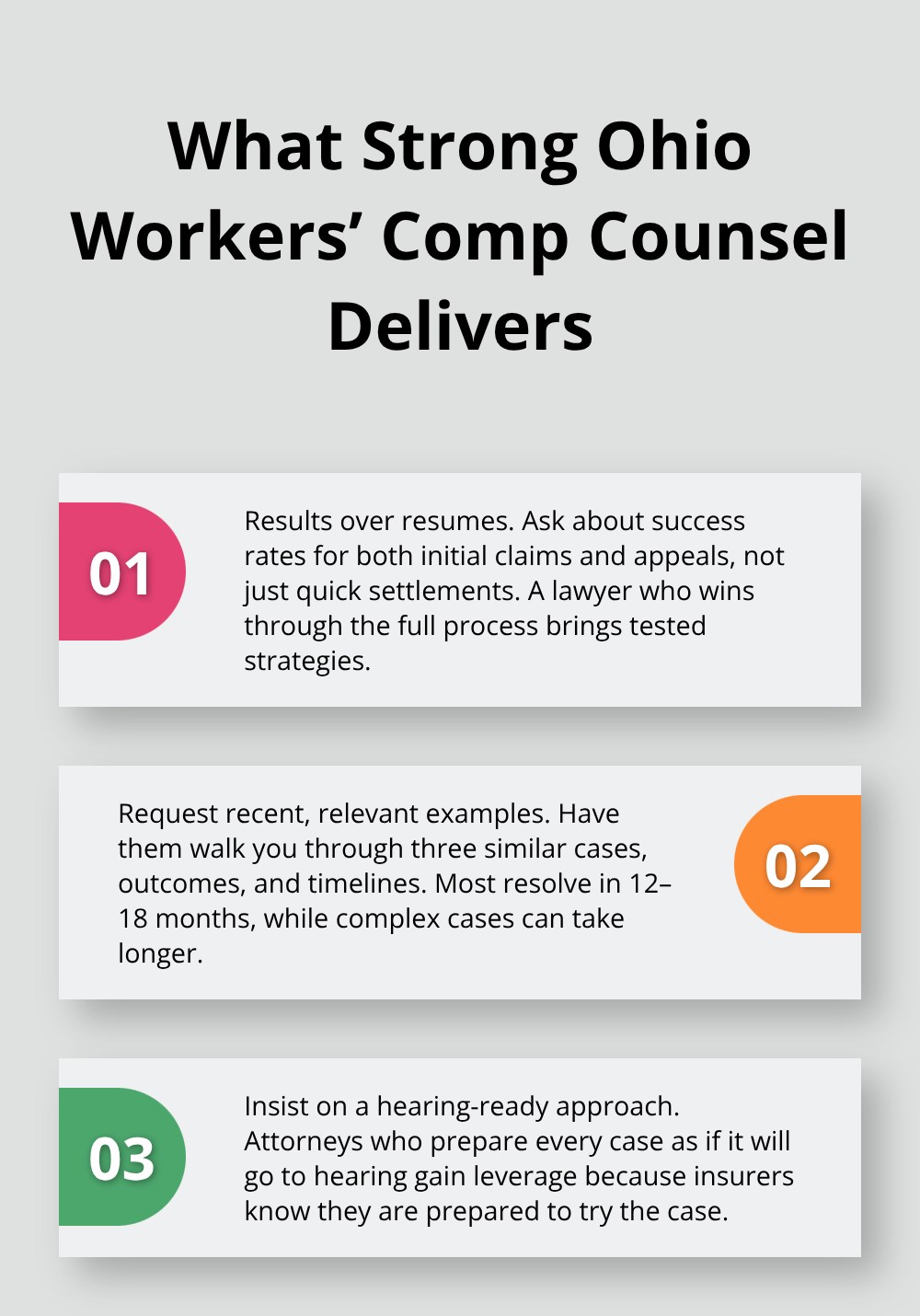
Your attorney’s track record matters more than any credential. Ask directly about their success rate with claims and appeals-not just settlements, but actual cases that went through the full process. An attorney who regularly handles appeals before the Industrial Commission of Ohio has tested their arguments against administrative law judges and knows which strategies hold up under scrutiny. When you speak with potential attorneys, ask them to describe their three most recent cases similar to yours, including the outcome and how long resolution took. Most workplace injury cases in Ohio resolve within 12 to 18 months, but cases involving catastrophic injuries or disputes over permanent total disability extend longer. An attorney who prepares every case as if it will go to hearing-rather than assuming settlement-typically negotiates stronger outcomes because insurers recognize the attorney is serious about trial.
Local Court Knowledge Shapes Strategy
The Industrial Commission of Ohio has different regional offices, and the one handling your claim follows consistent patterns in how it processes cases, schedules hearings, and rules on motions. An attorney familiar with your specific hearing officer’s preferences-whether they require certain documentation formats, how strictly they enforce procedural rules, or what evidence they find most persuasive-gains a tactical advantage. Local familiarity also means understanding which employers and insurers operate in your area and how they typically respond to claims. An attorney who has worked with the same claims administrators repeatedly knows their settlement authority, their common defenses, and the pressure points that move negotiations forward. This insider knowledge cannot be replicated by an attorney who practices statewide but rarely appears in your local courts.
Why Regional Relationships Matter
Cleveland, Akron, and Canton attorneys who regularly appear before the same judges develop a realistic sense of how those judges rule on specific issues, which translates into more accurate advice about your claim’s value and settlement prospects. Established relationships with local administrators and hearing officers mean your attorney understands the procedural nuances that affect your case’s timeline and outcome. An attorney with deep roots in local workers’ compensation practice brings years of accumulated procedural knowledge and relationships that directly benefit your claim. These connections help your attorney anticipate how the other side will respond and position your case for the strongest possible resolution. When you hire a Cleveland-area attorney with this level of local experience, you gain an advocate who knows exactly how to navigate the specific system that will decide your claim.
How Ohio’s Workers’ Compensation System Actually Works
The BWC’s Administrative Structure and Your Role
When you suffer a workplace injury, your employer must report it to the Ohio Bureau of Workers’ Compensation within 14 days, though you should report it immediately to your supervisor regardless of this deadline. The BWC then assigns a claims administrator who manages your case from initial filing through resolution. Claims administrators handle medical authorizations, benefit calculations, and communication between you, your employer, and your insurer. The BWC processes over 200,000 workers’ compensation claims yearly, with the majority resolving through settlement rather than formal hearing. Your first critical decision involves whether to accept the claims administrator’s initial determination or pursue an appeal through the Industrial Commission of Ohio.
Understanding Filing Deadlines and Medical Requirements
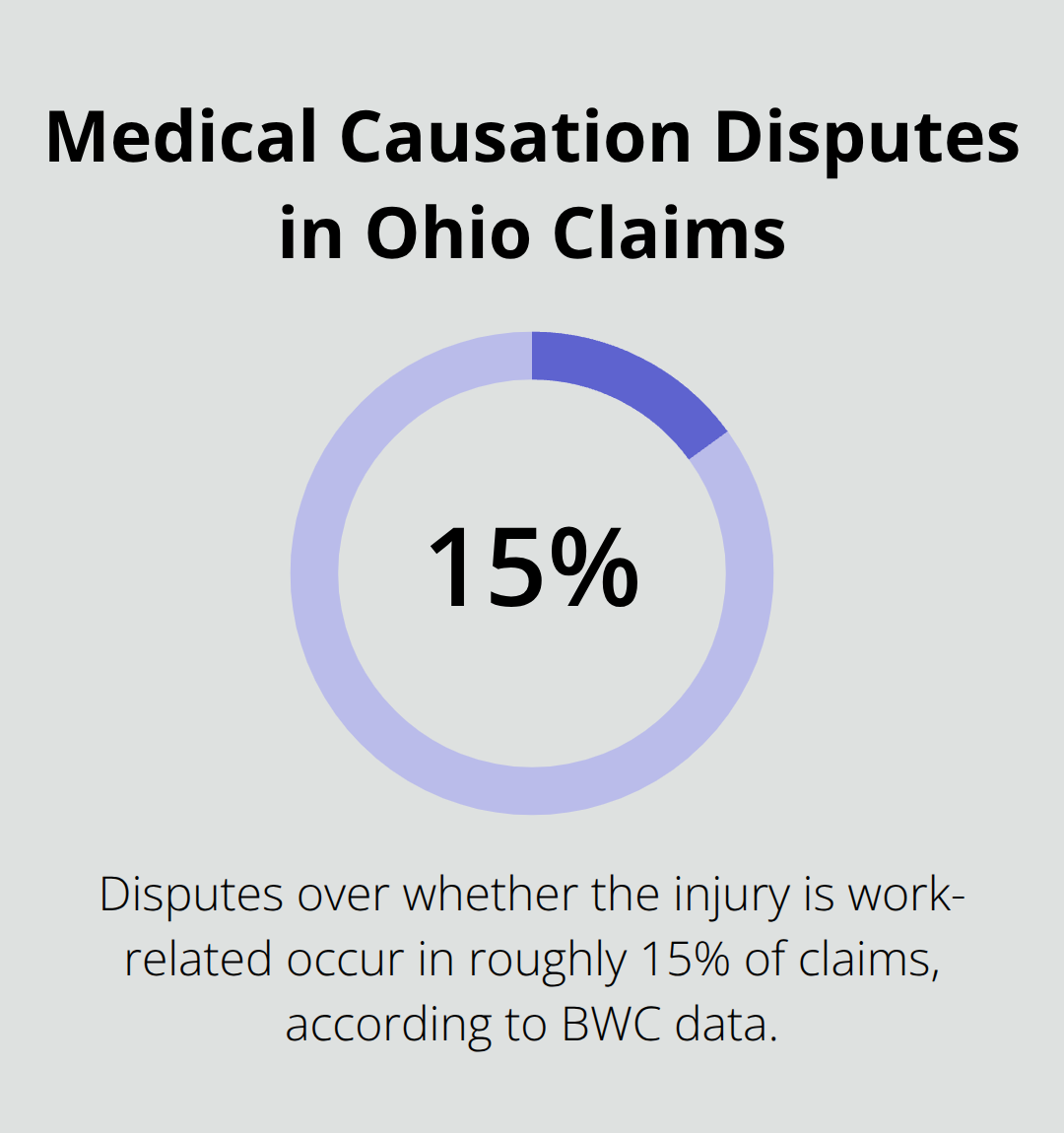
Most injured workers don’t realize that filing deadlines are rigid-you typically have one year from the date of injury to request a hearing if you disagree with the administrator’s decision. Missing this deadline eliminates your right to appeal entirely, which is why immediate legal consultation matters. The BWC requires specific medical documentation to establish that your injury is work-related and compensable under Ohio law. Your treating physician must confirm the injury arose out of and in the course of employment, a standard that seems straightforward but generates disputes in roughly 15 percent of claims according to BWC data.
Why Claims Get Denied
The Ohio Bureau of Workers’ Compensation denies approximately 10 to 12 percent of initial claims statewide. The most common reason for denial is the employer or insurer arguing the injury didn’t occur at work or wasn’t reported timely. Other frequent denials involve pre-existing conditions that the insurer claims caused the injury rather than the workplace incident itself. Claims also get denied when medical evidence doesn’t clearly establish a causal connection between the work duties and the injury.
Building Your Case Before the Claims Administrator Rules
An attorney secures your medical records immediately, obtains an independent medical evaluation if needed, and builds a factual record that demonstrates compensability before the claims administrator makes their initial determination. Attorneys work with injured workers to gather witness statements, photographs of unsafe conditions, and employment records that strengthen your claim from day one. If the claims administrator denies your claim, your attorney files a request for hearing before the Industrial Commission within the one-year window and prepares written arguments and evidence for the hearing officer’s review.
What Happens at the Industrial Commission Hearing
The hearing itself typically occurs within three to six months of filing, though complex cases involving catastrophic injuries take longer. Throughout this process, an experienced attorney anticipates the insurer’s defenses, identifies weak points in their argument, and positions your evidence to address the specific requirements Ohio law imposes for compensability. An attorney who understands how the Industrial Commission operates in your region knows which arguments resonate with local hearing officers and which procedural steps strengthen your position. This local knowledge becomes especially valuable when you face a well-resourced insurer with its own legal team-your attorney’s familiarity with the system and the specific hearing officer handling your case directly influences whether the commission rules in your favor.
Why Local Representation Changes Your Outcome
How Regional Hearing Officers Shape Your Case
The Industrial Commission of Ohio operates with regional variations that most out-of-state or statewide attorneys never experience firsthand. Hearing officers in Cleveland follow different procedural preferences than those in Columbus or Cincinnati, and the claims administrators who initially handle your case apply Ohio’s regulations through a local lens shaped by years of precedent in your specific region. An attorney who appears regularly before the same Industrial Commission hearing officers understands which documentation formats they require, whether they tolerate late filings under certain circumstances, and what evidence they find most persuasive when evaluating compensability disputes. This isn’t theoretical knowledge-it comes from dozens of cases handled in your exact venue.
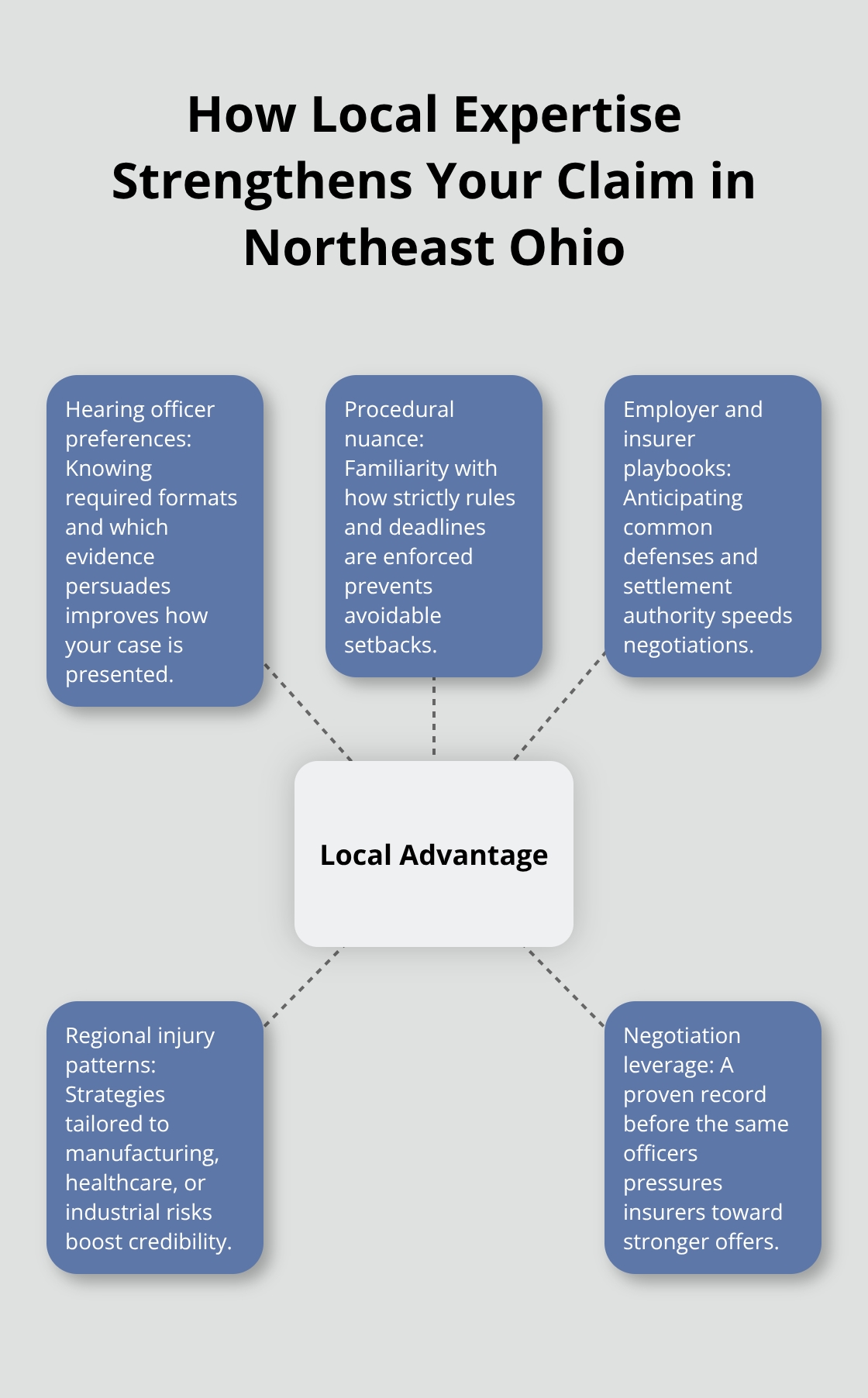
When an insurer’s attorney knows your Cleveland-based representative has successfully challenged their defenses before the same hearing officer multiple times, settlement negotiations shift immediately. The insurer recognizes that trial posturing won’t work because your attorney has demonstrated the ability to win, and that credibility translates directly into better settlement authority and faster resolution.
Understanding Regional Workplace Injury Patterns
The regional workplace injury patterns in Northeast Ohio matter significantly. Manufacturing facilities dominate the Akron area, creating specific injury patterns and employer defenses that differ from Cleveland’s healthcare and service-sector injuries. Canton’s industrial base generates its own set of common compensability disputes and medical causation issues. An attorney unfamiliar with these regional employment patterns cannot anticipate how local employers typically argue against compensability or which medical specialists carry credibility with hearing officers in your area.
A workplace injury in a manufacturing setting faces different scrutiny than the same injury in an office environment. Local hearing officers trust specific medical experts when evaluating causation, and this knowledge shapes how an attorney builds your case from day one. Selecting medical evidence and expert testimony that resonates specifically with the hearing officer assigned to your claim matters far more than relying on generic strategies that work nowhere in particular.
Why Established Relationships Matter in Your Region
An attorney with deep roots in local workers’ compensation practice brings years of accumulated procedural knowledge and relationships that directly benefit your claim. These connections help your attorney anticipate how the other side will respond and position your case for the strongest possible resolution. Established relationships with local administrators and hearing officers mean your attorney understands the procedural nuances that affect your case’s timeline and outcome.
Robin J Peterson Company, LLC handles cases across Cleveland, Akron, and Canton, which means the firm has built relationships with the specific administrators and hearing officers who will decide your claim. When you hire a Cleveland-area attorney with this level of local experience, you gain an advocate who knows exactly how to navigate the specific system that will decide your claim.
Final Thoughts
Choosing the right Cleveland area injury attorney comes down to three factors: experience with Ohio’s specific workers’ compensation rules, a demonstrated track record of successful claims and appeals, and deep familiarity with the local courts and administrators who will decide your case. An attorney who understands the Industrial Commission of Ohio’s regional procedures and has built relationships with the hearing officers in your area brings practical advantages that directly affect your outcome. When you face a workplace injury, the stakes are too high to work with someone learning Ohio’s system on your case.
The workers’ compensation process moves quickly, with strict deadlines and procedural requirements that punish mistakes. Your attorney must secure medical documentation, build your factual record, and anticipate the insurer’s defenses before the claims administrator makes their initial determination. If denial occurs, your attorney has one year to request a hearing and prepare arguments that convince the Industrial Commission your injury is compensable.
Local representation matters because hearing officers, claims administrators, and insurers operate within established patterns shaped by years of precedent in your specific region. An attorney who appears regularly before the same judges understands their preferences, knows which arguments succeed, and carries credibility that influences settlement negotiations. If you’ve suffered a workplace injury, contact Robin J Peterson Company, LLC to discuss your rights and next steps with an attorney who knows exactly how to fight for the benefits you deserve.